
Heartworm Testing for Dogs in Vero Beach, FL
An essential screening test for dogs in Vero Beach, Florida
Florida is, for all practical purposes, a giant swamp filled with mosquitoes
And mosquitoes are how heartworm disease is spread. Because of our warm climate and year-round mosquito activity, heartworm disease is common in Florida, including right here in Vero Beach and Indian River County.
At Mermaid SANDS, we offer heartworm testing for dogs as part of a focused care model designed to protect pets living in high-risk environments like ours.
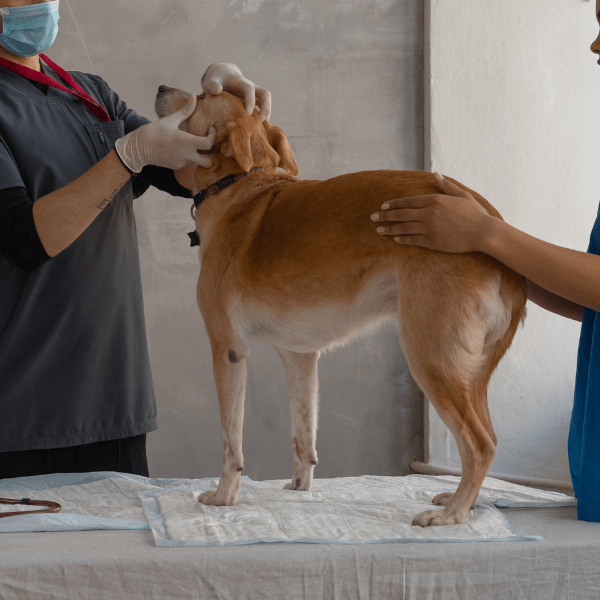
What is heartworm disease?
Heartworm disease is caused by parasites transmitted through mosquito bites. Once infected, heartworms grow and live in the heart, lungs, and major blood vessels, where they can cause serious and sometimes irreversible damage.
Dogs can be infected long before they show obvious symptoms, which is why testing matters even when everything seems fine.
Why heartworm testing matters in Florida
Because mosquitoes are everywhere in Florida, all dogs are at risk.
Even dogs who:
- Live mostly indoors
- Only go outside briefly
- Are walked on a leash
- “Just go out to potty”
- Live in a gated community
…are still exposed.
Yes—even if you live in a gated community. Mosquitoes don’t stop at gates, fences, or HOA rules. They get inside homes, garages, screened patios, and shared green spaces, and most dogs still go outdoors daily.
In Florida, there is no such thing as a truly “no-risk” dog when it comes to heartworm disease.

Why heartworm tests don’t turn positive right away
One important thing to understand about heartworm disease is that it takes time to show up on a test.
After a dog is bitten by an infected mosquito, it can take about six months before heartworms mature enough to be detected on a standard heartworm test. During that time:
- A dog can be infected
- The test may still be negative
- There may be no outward signs of illness
This is one reason heartworm disease can quietly progress without being noticed.
Why annual testing is still important
Because of this delay:
- A negative test today doesn’t rule out recent exposure
- Routine annual testing helps catch infections as soon as they become detectable
- Testing year after year creates a safety net for dogs living in high-risk areas like Florida
Annual testing helps ensure infections aren’t missed simply because they were too early to detect the last time your dog was tested.
What about dogs on heartworm prevention?
Heartworm prevention is very effective, but it is not perfect.
Missed doses, delayed dosing, vomiting after administration, or parasite resistance can all reduce effectiveness. Because of this:
- Dogs on prevention can still become infected
- Testing confirms prevention is working as intended
- Testing ensures it’s safe to start or continue prevention
This is why annual heartworm testing is recommended even for dogs who take prevention year-round.
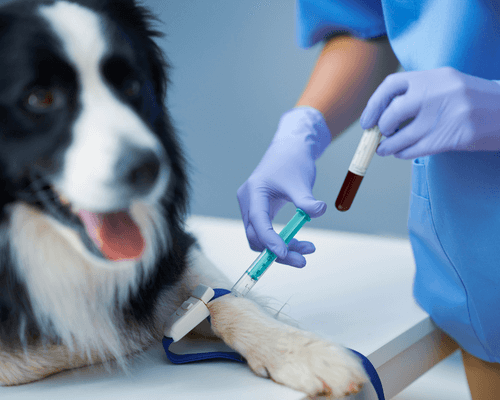
How heartworm testing works
Heartworm testing is performed using a simple blood test that looks for evidence of adult heartworms.
The test:
- Requires only a small blood sample
- Provides reliable screening results
- Helps guide next steps in your dog’s care
Early detection makes a meaningful difference in outcomes.
How often should dogs be tested?
Most dogs should be tested:
- Annually
- Before starting or restarting heartworm prevention
Your dog’s age, medical history, and prevention routine help determine appropriate timing.
How heartworm testing works at Mermaid SANDS
Mermaid SANDS focuses on high-impact primary procedures, such as spay, neuter, and dental cleanings.
For that reason, heartworm testing is offered as an add-on service for dogs already scheduled for a primary procedure. This allows us to provide essential screening while maintaining an efficient and sustainable care model.
Heartworm testing is not offered as a standalone appointment at this time.
Is this service a good fit for my dog?
Heartworm testing may be added to your dog’s visit if they:
- Are already scheduled for a primary procedure
- Are healthy enough for routine blood testing
Eligibility is reviewed during scheduling to ensure testing is appropriate.
Learn more about our eligibility and safety guidelines →
What to expect at your dog’s visit
When heartworm testing is added to a scheduled procedure:
- A small blood sample is collected
- Results are reviewed by veterinary staff
- Findings are documented for your records
If a test result is positive or unclear, your primary veterinarian can guide you through confirmatory testing and treatment options.
Taking the next step
If your dog is scheduled for a spay, neuter, or dental procedure, heartworm testing can be added to their visit.